Creating Comprehensive Care Plans for Victims of Violence and Refugees in Guanacaste, Costa Rica
Beneficiaries:
100 women, refugees, and asylum seekers per year, over the age of 18, who have been victims of physical, psychological, sexual, patrimonial, institutional, and political violence.
Partner:
CEPIA (Culture, Education and Psychology for Children and Adolescents)
Location:
Guanacaste, Costa Rica
Themes & Budget:
Building Resilient Communities, $55,256
Project Duration & Budget:
Feb 2026-Dec 2028
Project Summary
In recent years, Costa Rica has experienced a worrying increase in domestic and gender-based violence. Between 2021 and 2024, domestic violence cases went from 9,406 to 23,046, representing an increase of 145%[1]. This increase can be attributed to a deterioration in social programs in Costa Rica, greater poverty, and limitations in the State’s capacity for prevention and care[2].
The situation is even more critical in the province of Guanacaste, where the rate of domestic violence is 38% higher than the national average, and has been identified as the region with the highest intensity of violence against women in the country[3].
Further, Costa Rica has always been a recipient of people fleeing situations of political repression, especially from Nicaragua. This factor plays an extremely important role in the work of CEPIA, as according to UNHCR data as of March 2025, more than 194,000 Nicaraguan asylum seekers and refugees reside in Costa Rica, representing almost 4% of the country’s total population, and over half of all Nicaraguan refugees and asylum-seekers globally. Most of this population enters through border crossings in Guanacaste and continues to reside in this area. Many of these people are facing situations of vulnerability, including human trafficking, sexual violence, and being victims of crime. Once in Costa Rica, asylum seekers and refugees have a hard time finding comprehensive care, including help with legal documentation, accessing essential services like health care, education, and job support.
This project, led by CEPIA, responds to this gap by providing a holistic approach to care, one that promotes individual healing, empowerment, and socio-economic inclusion. The project will address both the immediate consequences of violence and its long-term impacts by combining psychosocial support, legal assistance, education, life skills development, and entrepreneurship training for each beneficiary, further promoting autonomy and sustainable change.
This project will be implemented in the following phases, as CEPIA identifies the individual needs of those who access their supports and services:
- Identification and Recruitment:
CEPIA will collaborate with community leaders and public institutions, including PANI, CCSS, INAMU, UNHCR, and the justice system, to identify individuals experiencing violence or displacement. CEPIA will also find these individuals by conducting outreach and using existing networks and communication channels to ensure inclusive access. - Interdisciplinary Evaluation:
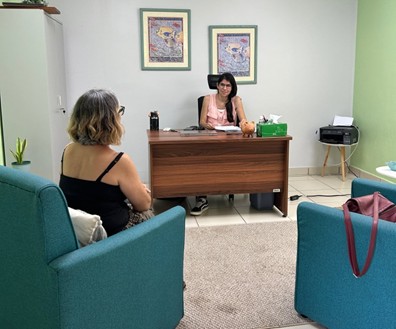
When an individual has identified themselves as in need of care, they will be initially supported by a legal professional and, when complex, assessed by an interdisciplinary team including a lawyer, social worker, psychologist and program director. This comprehensive evaluation will identify risk factors, urgent needs, available resources, and empowerment pathways. - Personalized Care Plan Design:
Next, an individualized intervention plan will be developed for each participant, outlining short-, medium-, and long-term objectives across psychosocial, legal, educational, and income-generating opportunities. These individual support plans will remain flexible to adapt to personal progress and changing circumstances. - Active Participation in Programs:
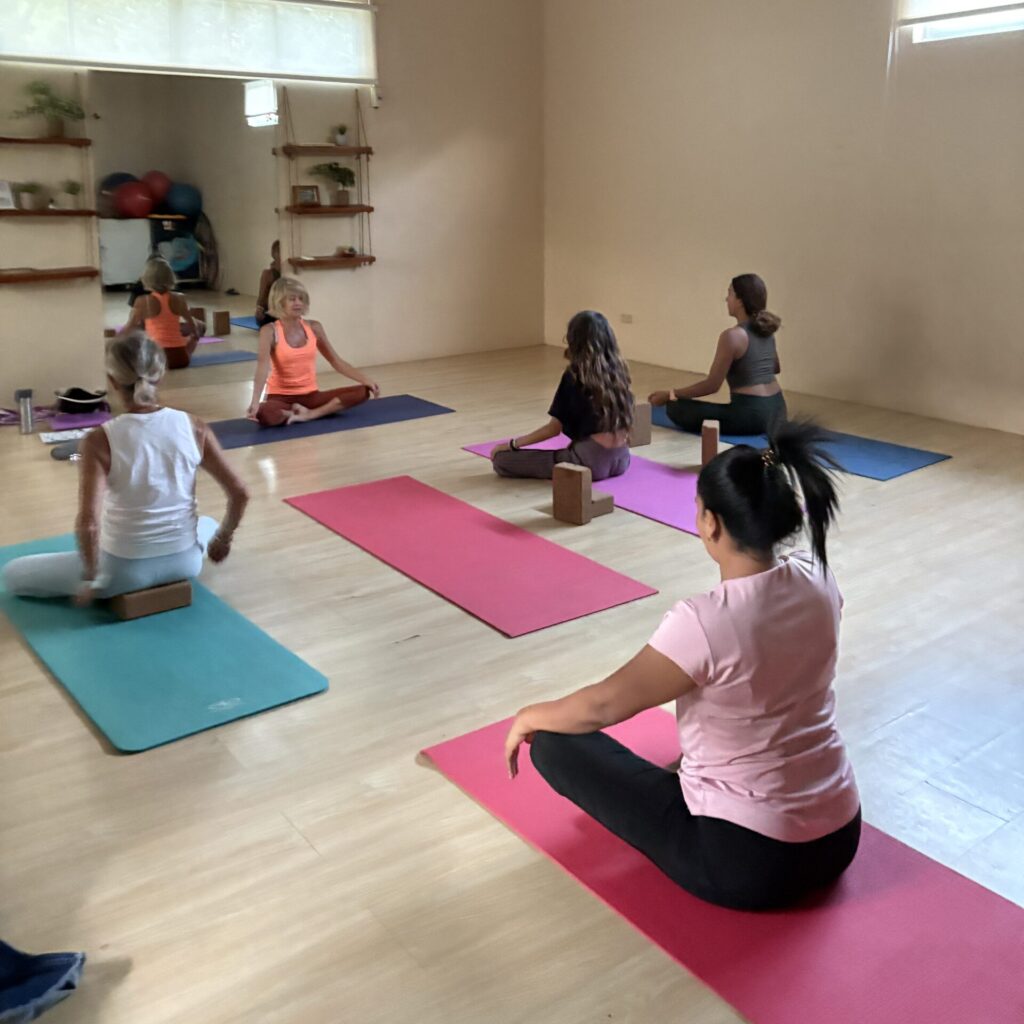
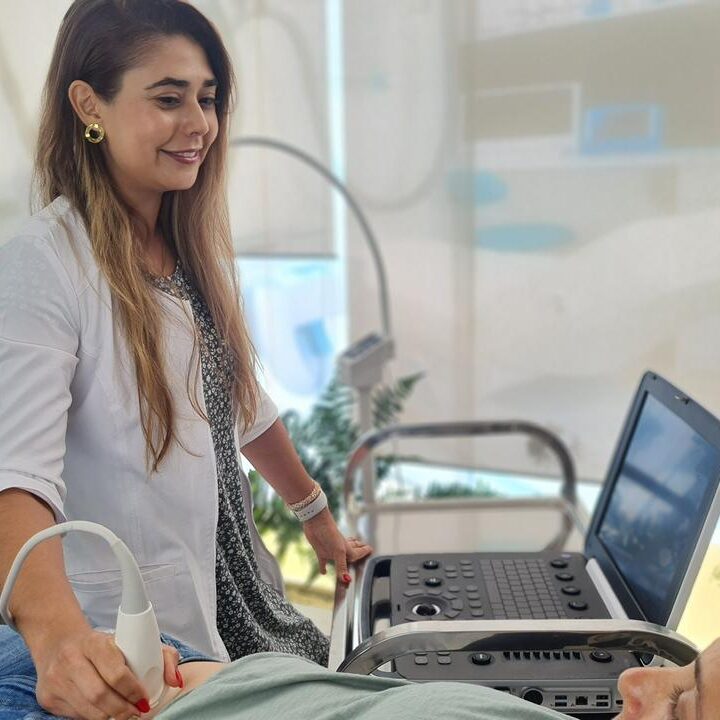
Following their care plan, participants will have access to CEPIA’s integrated services, including legal advice, psychology and holistic health, adult education and training, life skills workshops, women’s circles, and volunteer opportunities. These spaces strengthen emotional resilience, practical skills, and community belonging. - Long-Term Accompaniment and Follow-Up:
Each participant may receive up to three years of support through CEPIA, with regular reviews to assess progress in empowerment, autonomy, labour skills development, and psychosocial well-being.
Consider making a secure, tax-deductible donation to Horizons of Friendship today!
We need your support now more than ever.